
 +1 (647) 203-5541
 Find us on Map
Learn · Greenhouse Agriculture
Understanding Modern Greenhouse Agriculture
An inside look at the technology and thinking behind Pearl Gro’s cultivation model - for students, researchers, and the curious.
Core Architectural Technologies

T-01
Controlled Environment Agriculture (CEA)
Cultivation isolated from climate volatility, enabling predictable, year-round yields regardless of the weather outside.

T-02
Smart Climate Regulation
Automated sensors continuously adjust temperature, humidity, CO₂, and ventilation to keep conditions in the ideal range for each crop.

T-03
Precision Lighting Array
Full-spectrum LED lighting sustains consistent photosynthesis through cloudy seasons and shorter days, independent of sunlight.

T-04
Integrated Rooftop Agrivoltaics
Semi-transparent solar arrays generate power while filtering light to levels that keep crops healthy beneath them.
Designed to Take Less and Waste Less.

Resource-Efficient Water Management
Hydroponic and precision drip-irrigation systems recycle water instead of losing it to the soil - drastically reducing the volume required per harvest cycle.

Optimized Spatial Productivity
Vertical growing multiplies output per square foot compared with open-field cultivation, making more productive use of developed land.

Closed-Loop Environmental Protection
Sealed systems prevent nutrients from leaching into surrounding ecosystems and groundwater, protecting the land around the project site.

Decarbonized Infrastructure Strategy
On-site renewable power offsets the energy demand of climate control, reducing the operational carbon footprint of every harvest.
Why Rainwater Harvesting
Matters for Greenhouses.
- 01
Greenhouses depend on consistent irrigation - supply gaps directly interrupt cultivation cycles.
- 02
Harvested rainwater reduces dependence on groundwater and municipal supply, and buffers against dry-season shortages.
- 03
Reusing rainfall lowers an operation's environmental footprint at its most fundamental input: water.
Why Solar Power Matters
for Greenhouses.
- 01
Climate control is energy-intensive - fans, sensors, and lighting run continuously throughout every growing cycle.
- 02
On-site solar generation reduces operating costs and the environmental impact of that sustained energy demand.
- 03
Ground-mounted and rooftop arrays can coexist with cultivation space rather than competing with it.
Seed to Shelf.
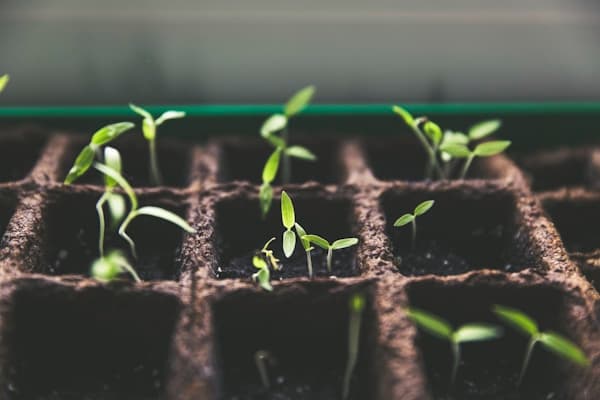
Stage 01
Propagation & Seeding
Germination and root establishment in sterile, climate-perfect nursery conditions - no weather variables, no soil-borne disease risk. Seedlings are graded for vigor before transplant, so only the strongest plants move forward into active cultivation.
Stage 02
Growth Zone Transition
Seedlings move to primary cultivation bays with nutrient delivery customized to each growth stage - oxygen, mineral balance, and spacing all managed. Support structures are fitted as plants mature, guiding growth for even light exposure and easier harvesting later.
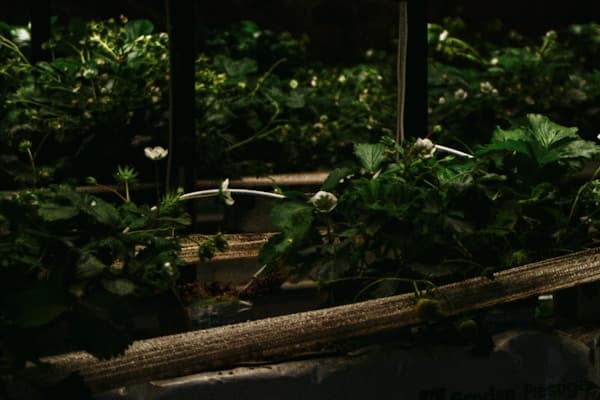
Stage 03
Precision Monitoring
IoT sensors track leaf temperature, EC levels, and root-zone moisture in real time. Biological pest management reduces reliance on synthetic chemicals. Readings feed a central dashboard so the agronomy team can adjust irrigation, ventilation, and nutrient dosing before stress ever shows in the crop.
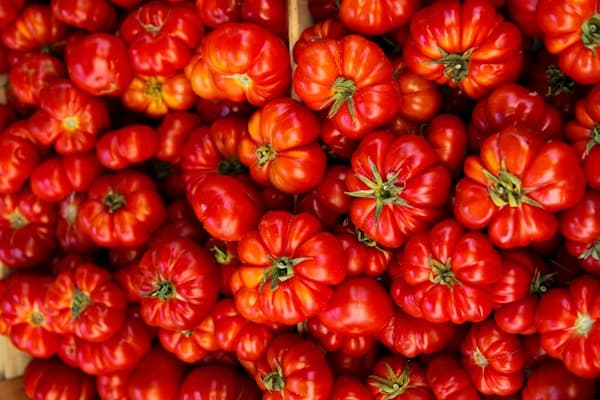
Stage 04
Harvest & Cold-Chain Logistics
Crops are harvested at nutritional peak and rapidly refrigerated, preserving freshness across the cold chain from greenhouse to export shelf. Produce is sorted and packed on-site to export-grade standards, minimizing handling time between the vine and the shipping container.
Shelf
Curious about Pearl Gro’s own approach?
See Why Pearl Gro